


Introduction
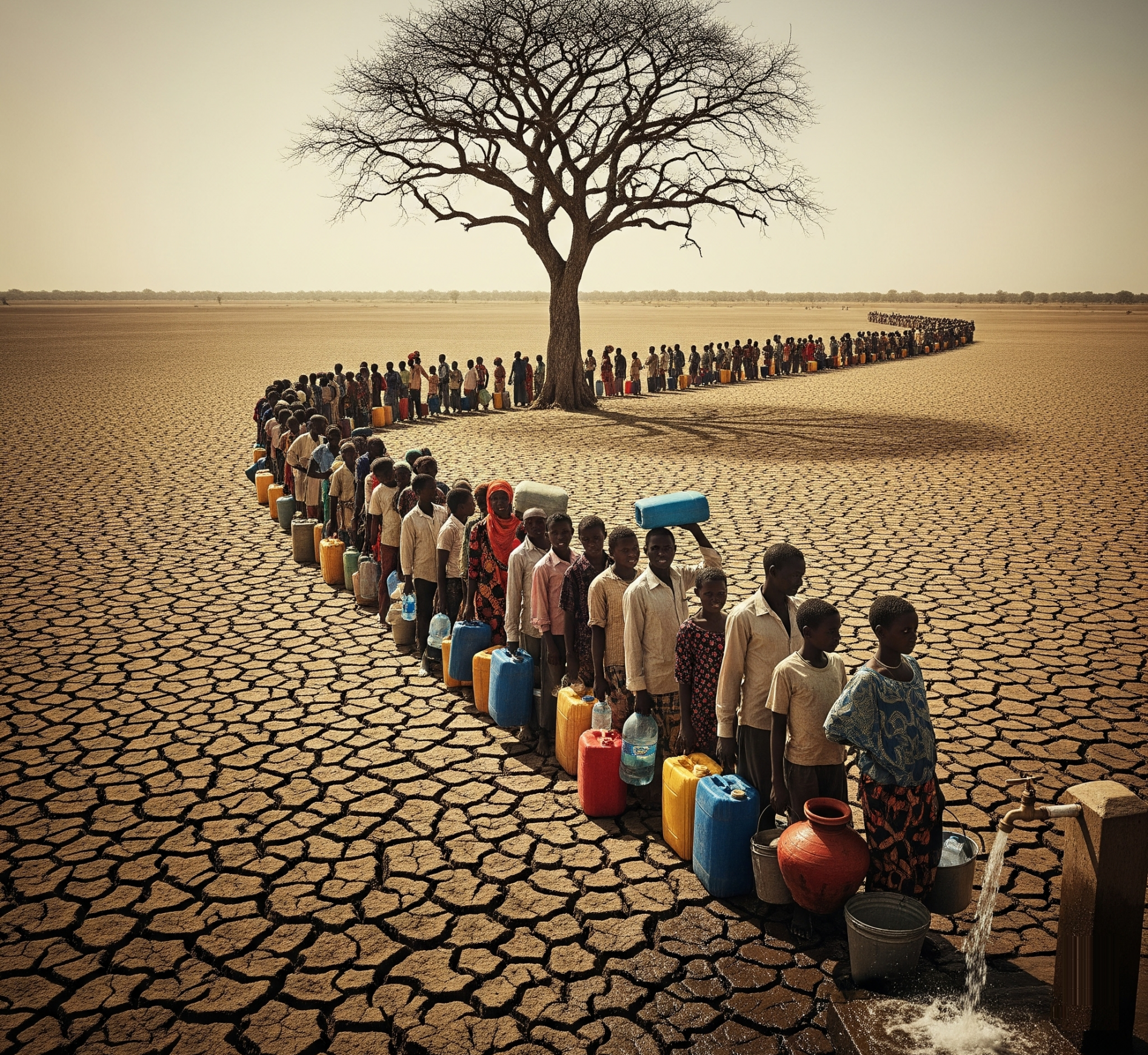
Water is the foundation of life, yet millions of people around the world face water scarcity every day. From drought-hit regions to fast-growing cities, rising demand for clean, safe water is putting real pressure on natural supplies.
The UAE feels this pressure more than most. Rainfall is low, evaporation is high and demand keeps growing as populations and industries expand. That is why water security is a national priority, and why households, businesses and treatment specialists all have a part to play.
As a water treatment company in the UAE, Aqua Flair Trading LLC works on sustainable water solutions and on raising awareness of responsible use. This guide explains what water scarcity is, what causes it, how treatment technology stretches limited supplies and what practical steps you can take today.
What Is Water Scarcity?
Water scarcity occurs when demand for water exceeds the supply available to meet it. It is not only about a lack of rain. It combines environmental, social and industrial factors that reduce usable freshwater and raise stress on communities and businesses.
It helps to separate two types:
- Physical scarcity: there simply is not enough water in the region to meet demand, as in arid and desert climates.
- Economic scarcity: water exists, but people lack the infrastructure, treatment or money to access safe supplies.
Many regions face both, and the UAE’s challenge is mainly physical: a dry climate that depends on desalination and groundwater to meet demand.
Why Addressing Scarcity Matters Now
According to the United Nations, more than 2 billion people live in countries facing high water stress. At that scale, conservation and advanced water treatment are no longer optional extras. They are core infrastructure.
Acting on scarcity helps protect:
- Public health, through safer treated drinking water
- Agriculture and food security, because crops and livestock depend on freshwater
- Industrial operations that need a reliable supply
- Rivers, wetlands and ecosystems
- Community access to usable freshwater
- Long-term water security for households and businesses
Scarcity affects health, farming, industry and the environment at the same time, so technology and daily habits both need to be part of the answer.
What Drives Water Scarcity
Several pressures combine to widen the gap between supply and demand:
- Climate change brings unpredictable rainfall and longer droughts, which reduce freshwater availability.
- Population growth and urbanisation raise consumption sharply, especially in fast-growing cities.
- Pollution of rivers, lakes and groundwater reduces the share of water that is safe to use.
- Inefficient use in homes, farming and industry wastes water that could have been saved.
- Ageing infrastructure loses water through leaks before it reaches users.
Water Scarcity in the UAE
In the UAE, scarcity is tied to low rainfall, high evaporation and rising demand from a growing population and expanding industry. Natural groundwater recharge is limited, so the country relies heavily on desalination of seawater and treated brackish groundwater to supply homes, hotels, farms and factories.
That reliance makes efficiency especially valuable. Every litre saved is a litre that does not need to be produced, treated and pumped. It also makes the quality of treated water important, because storage and distribution can affect it. Our article Why Clean Water Matters explains what happens after the water leaves the plant.
Key Facts and Pressures Behind Scarcity
1. Demand outpacing supply
When demand exceeds available supply, the gap is structural. Climate, growth, pollution and waste can all widen it.
2. Public health consequences
Limited access to clean water raises the risk of waterborne disease. Proper treatment can remove harmful pathogens and support safer drinking water.
3. Agriculture and food security at risk
Crops and livestock depend heavily on freshwater. Scarcity threatens farm productivity and can increase food insecurity in vulnerable regions.
4. Industrial cost and efficiency pressure
Manufacturing, energy and food processing use large volumes of water. Without reliable treatment infrastructure they face higher costs and lower efficiency.
5. Environmental imbalance
Falling freshwater levels harm rivers, wetlands and aquatic ecosystems, and contribute to biodiversity loss.
6. Everyday wastage still adds up
Inefficient use at home, on farms and in industry contributes heavily to depletion. A single dripping tap or hidden leak can waste thousands of litres a year.
How Water Treatment Technology Stretches Limited Supplies
Technology cannot create new rain, but it can make the water we have go further. These are the main tools.
Reverse osmosis for desalination and reuse
Reverse osmosis (RO) purifies brackish or saline water and turns it into clean, usable water, which reduces dependence on scarce freshwater sources. It also treats water for reuse in industry, such as boiler feed and cooling make-up. Read Reverse Osmosis (RO): The Purest Water Solution for the basics, or our Complete Guide to RO Membranes for selection and care. Packaged RO systems suit commercial and industrial users.
Accurate chemical dosing
Precise dosing keeps treatment efficient and prevents scale and bacterial growth, which protects equipment and avoids wasted water and chemicals. Reliable dosing pumps deliver a stable dose, including the Injecta pumps we supply.
Filtration that protects the system
Good pre-filtration stops sediment and organics from fouling membranes and equipment, so plants run efficiently for longer. Filtration media held in corrosion-resistant FRP vessels is a proven, lightweight and durable combination for both residential and industrial systems.
Measurement that exposes waste
You cannot reduce what you do not measure. A flow meter is the first step toward finding leaks and over-use, while water quality meters show when treatment is drifting out of range. To see how all these stages fit together, read How Water Treatment Systems Work.
Industrial Water Efficiency Checklist
Industrial and commercial sites often have the biggest savings available:
- Meter water by area or process so waste becomes visible.
- Set RO recovery as high as the feed chemistry safely allows.
- Reuse suitable streams, such as RO reject for cooling or washdown where quality permits.
- Repair leaks and steam-trap losses quickly.
- Maintain filters and membranes so systems do not waste water compensating for fouling.
- Review dosing and cleaning routines to avoid unnecessary rinses.
What Helps, and What Does Not
Fighting scarcity needs both treatment technology and conservation habits. Tools that purify, recycle and dose accurately help stretch resources. Habits that ignore waste undo those gains.
What helps
- Reverse osmosis to treat brackish or saline water
- Precise chemical dosing to prevent scale and bacterial growth
- Durable, corrosion-resistant FRP vessels in treatment systems
- Filtration and softening to cut hardness and contaminants
- Conservation measures such as efficient use, rainwater harvesting where practical, leak repair and drip irrigation
- Community awareness
What does not help
- Treating scarcity as only a rainfall problem while ignoring pollution and waste
- Relying on technology alone without reducing inefficient use
- Leaving minor leaks unfixed
- Expanding consumption without recycling, reuse or treatment
- Waiting for one actor, whether government, industry or households, to solve the problem
A shared effort across policy, industry and the public is what turns awareness into lasting water security.
Steps Everyone Can Take
| Who | What to do |
|---|---|
| Households | Fix leaks promptly, use efficient fixtures, shorten showers and run full loads only |
| Offices and hotels | Install sensors and low-flow fittings, meter consumption and train staff |
| Factories | Meter processes, recover and reuse water, and maintain treatment equipment |
| Farms | Use drip irrigation and moisture sensors to cut losses |
| Communities | Share awareness so people understand why saving water daily matters |
For more practical saving ideas, see Water Conservation: Why Every Drop Counts, and for the link between water, health and daily life, read How Clean Water Impacts Health and Lifestyle.
Aqua Flair combines awareness, education and tailored treatment systems so businesses and households across the UAE can manage water more responsibly while keeping access to clean water.
Frequently Asked Questions
What is the main cause of water scarcity in the UAE?
Low rainfall, high evaporation and rising demand from a growing population and expanding industries.
How can reverse osmosis help solve water scarcity?
RO systems purify brackish or saline water into clean, safe water, which reduces dependence on limited freshwater sources. RO can also treat water for reuse in industry.
What are the benefits of FRP pressure vessels in water treatment?
FRP vessels are lightweight, corrosion-resistant and long-lasting, which makes them suitable for both residential and industrial filtration systems.
Why are dosing pumps important in water treatment?
They deliver precise chemical doses, which helps prevent scaling and microbial growth and supports consistent water quality across treatment processes.
Why choose Aqua Flair Trading LLC for water treatment in the UAE?
Aqua Flair supplies RO membranes and systems, dosing pumps, FRP vessels and filtration equipment for a wide range of water needs, with technical guidance on selection.
Conclusion
Water scarcity is one of the most pressing challenges of our time. It affects health, food security and stability, and no single group can solve it alone. Technology that purifies, recycles and doses accurately, combined with daily habits that cut waste, can secure more of our water future.
Aqua Flair Trading LLC supplies reverse osmosis systems, dosing pumps and FRP pressure vessels in the UAE to support reliable, efficient water management across sectors. To plan a more efficient system for your site, request a quote and our team will recommend a solution. Conserving, treating and protecting water is a shared responsibility.
Share this story


